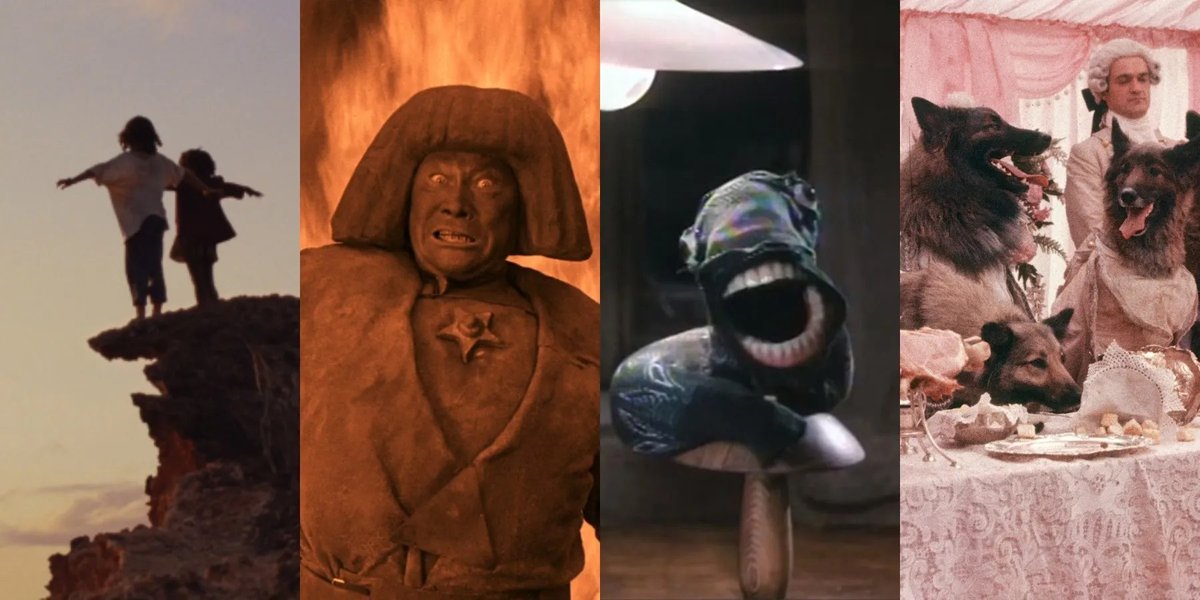
The enchanted realms of folklore, myth, and whimsical adventure are experiencing a vibrant resurgence. From deep dives into classic tales to groundbreaking original stories, the world of fantasy storytelling is expanding, offering fresh perspectives on age-old magic. For fans eager to dive into new worlds, the landscape of Upcoming Fairy Games, Movies & Adaptations promises a treasure trove of wonder, challenge, and imaginative escapism.
But what exactly can you expect from this burgeoning wave of fantasy media? How are storytellers reimagining beloved characters and crafting entirely new legends? Let's peel back the layers of magic and get a clearer picture.
At a Glance: What's Brewing in the Enchanted Forest
- A Renaissance of Retellings: Expect beloved fairy tales to be re-examined through modern lenses, exploring deeper character motivations and darker undertones than ever before.
- Gaming's Growing Role: Video game adaptations, both directly inspired by folklore and creating their own, are becoming major players in the fantasy entertainment space.
- Genre Blending is Key: Fairy-tale elements are increasingly being woven into sci-fi, horror, and action genres, blurring traditional lines.
- Visual Spectacle Dominates: From live-action epics to animated masterpieces, stunning visuals remain a cornerstone of fairy and fantasy adaptations.
- The Power of Narrative Depth: Modern adaptations prioritize complex characters and intricate plots, moving beyond simplistic good-vs-evil narratives.
The Enduring Allure of Fairy Tales: Why We Keep Coming Back
Fairy tales have captivated humanity for centuries, passing down wisdom, morality, and boundless imagination through generations. From the cautionary tales of the Brothers Grimm to the vibrant wonder of Hans Christian Andersen, these stories are deeply embedded in our collective consciousness. But in an age of hyper-realistic special effects and complex cinematic universes, why do these ancient narratives continue to command our attention, inspiring countless new interpretations?
It's simple: they're foundational. They explore universal themes of good and evil, love and loss, courage and betrayal, magic and the mundane. They offer a framework for understanding the human condition through fantastical metaphors. Today, the magic lies not just in recounting these tales, but in reimagining them, twisting expectations, and giving voice to characters previously relegated to archetypes.
This drive to re-explore familiar narratives has led to a boom in adaptations, many of which have gone on to shape the genre significantly. While the specific list of "upcoming" fairy tale movies you might find in some archives reflects projects from a decade ago, these films set the stage for how studios and creators approach these stories today.
Revisiting Recent Landmarks: How Past "Upcoming" Fairy Tales Shaped the Present
It's fascinating to look back at what was once on the horizon for fairy tale enthusiasts. Around a decade ago, the cinematic landscape buzzed with a wave of live-action adaptations and creative reinterpretations. While these films have now graced our screens and become part of modern fairy tale history, they offer valuable insight into the trends and ambitions that continue to influence new projects.
Let's consider some examples that were once "upcoming" and how their approaches might inform what we see next:
- Maleficent (May 30, 2014): This film took the bold step of exploring the backstory of a villain, offering a sympathetic origin for Sleeping Beauty's sorceress, Maleficent. Angelina Jolie's portrayal brought depth to a character previously seen as purely evil. This approach—humanizing antagonists and delving into untold origins—has become a strong trend in subsequent adaptations, signaling a move away from black-and-white morality.
- Jupiter Ascending (July 18, 2014): A sci-fi epic often compared to Snow White, this movie showcased how classic fairy tale archetypes could be transplanted into entirely new genres. Mila Kunis's Jupiter, a poor girl whose destiny is tied to a galactic queen, and Channing Tatum's "huntsman" protector, exemplified how core fairy tale elements like mistaken identity, royal lineage, and heroic quests can transcend traditional settings.
- Into the Woods (December 25, 2014): A vibrant musical mash-up of several Grimm's fairy tales, this adaptation highlighted the appeal of weaving multiple narratives together and exploring the "happily ever after" with a dose of cynical realism. With a star-studded cast including Anna Kendrick as Cinderella and Meryl Streep as a witch, it proved that audiences were ready for more complex, interconnected fairy tale universes.
- Cinderella (March 13, 2015): Disney's live-action Cinderella offered a more traditional, yet still visually stunning, retelling. Starring Lily James and Cate Blanchett, it showed that there's still a strong appetite for faithful adaptations that celebrate the timeless beauty and charm of the originals, albeit with enhanced visual flair and emotional resonance.
- Pan (July 17, 2015): This origin story for Peter Pan reimagined Never Land during World War II, presenting Peter as a boy kidnapped by pirates destined to save a magical world from Blackbeard (Hugh Jackman). By altering the setting and giving classic characters like Tiger Lily (Rooney Mara) fresh roles, Pan exemplified the creative freedom directors are taking with established lore, exploring alternative histories and deeper mythologies.
- The Tale of Tales (No release date provided in original data): Based on Giambattista Basile's foundational collection of fairy tales, this project, featuring Salma Hayek and Vincent Cassel and directed by Matteo Garrone, indicated a desire to return to the darker, more unsettling roots of fairy stories. Such adaptations often explore mature themes, violence, and moral ambiguity, offering a stark contrast to more sanitized versions.
- Beauty and the Beast (Guillermo Del Toro's project, no confirmed release date): The mere mention of Guillermo Del Toro attached to Beauty and the Beast speaks volumes about the potential for unique, director-driven visions in fairy tale adaptations. Known for his dark fantasy and monstrous beauty, Del Toro's approach would likely have offered a distinctive take on the Beast, emphasizing the gothic and the profound. The uncertainty around this project also highlights the challenging journey many ambitious adaptations face from concept to screen.
These films, once eagerly awaited, demonstrated a clear shift towards re-contextualizing, re-interpreting, and often darkening classic narratives. They experimented with origin stories, genre shifts, and complex character motivations, setting a precedent for the fairy games, movies, and adaptations that continue to evolve today.
The Next Chapter: What Truly Upcoming Fairy and Fantasy Adaptations Are on the Horizon?
While the provided list of "upcoming fairy tale movies" primarily served as a historical snapshot, the appetite for new fantasy narratives, often drawing from or intersecting with fairy lore, remains insatiable. The real action in "upcoming" content often comes from the video game world, which frequently creates its own rich, fantastical universes ripe for adaptation.
Let's explore the genuinely upcoming projects that lean into the "fairy" or broader "fantasy" sphere, drawing from the provided ground truth on video game adaptations.
Gaming's Grand Adaptations: Bringing Digital Fantasies to Life
The world of video games is a fertile ground for epic storytelling, often drawing inspiration from mythology, folklore, and high fantasy. As gaming continues its ascent as a dominant entertainment medium, it's no surprise that studios are scrambling to bring these digital realms to the big and small screens. While many upcoming video game adaptations cover genres far removed from "fairy tales," a select few promise to deliver the magic, adventure, and enchanting creatures that align with our theme.
On the Silver Screen: Fantastical Video Game Movies
Among the deluge of upcoming video game films, a few stand out for their potential to capture the essence of fairy-tale inspired fantasy:
- The Legend of Zelda (May 7, 2027): This is perhaps the most anticipated fantasy video game adaptation that truly embodies the spirit of fairy tales. The Legend of Zelda series, with its mythical Hyrule, courageous hero Link, wise Princess Zelda, and a myriad of magical creatures, dungeons, and legends, is steeped in a fantastical lore that resonates deeply with fairy tales and high fantasy. Its transition to the big screen has the potential to become a definitive cinematic fairy-tale adventure for a new generation. We're talking about a story world that frequently features fae, enchanted forests, and epic quests against overwhelming evil—all hallmarks of classic folklore.
- The Super Mario Galaxy Movie (April 3, 2026): While perhaps not a "fairy tale" in the traditional sense, the Super Mario universe, especially its "Galaxy" iteration, is pure whimsical fantasy. It features talking stars, celestial beings, magical powers, and a hero on an impossible quest to save a princess. Its lighthearted, imaginative approach taps into the wonder often found in children's fairy tales.
- A Minecraft Movie sequel (July 23, 2027): The blocky, open-world phenomenon of Minecraft, while driven by player creativity, is inherently a fantasy realm. It’s a world populated by unique creatures, dangerous biomes, and the magic of creation and survival. A sequel suggests a deeper dive into the lore, potentially introducing more structured narratives that explore themes of building, discovery, and confronting mythical creatures within its boundless digital wilderness.
These examples show that while direct fairy tale movie adaptations might be less explicitly named on current "upcoming" lists, the spirit of fantasy and enchantment is thriving through video game properties.
From Console to Couch: Fairy-Adjacent TV Series
The episodic format of television is perfectly suited for expanding rich fantasy worlds and delving into intricate lore. Several upcoming video game series adaptations promise to bring deep, fantastical narratives to streaming platforms:
- God of War (Live-action, Prime Video, Announced but Undated): While God of War is known for its brutal combat, its foundation lies deep in Greek and Norse mythology. The series explores the relationships between gods, giants, and mythical beings—a pantheon often intertwined with the origins of folklore and "fairy" creatures. The live-action adaptation has the potential to be a gritty, mature take on mythological narratives, offering a darker, more complex side of fantasy storytelling that can resonate with the mature themes found in original fairy tales.
- Grounded (Animated, Announced but Undated): This adaptation, based on the survival game where players are shrunk to the size of an insect, promises a unique perspective on a miniature, magical world. It’s a fantastic example of a "hidden world" narrative, where everyday environments become enchanted forests and dangerous territories, populated by oversized insects and unseen forces. This taps directly into the wonder and peril found in stories like Thumbelina or FernGully.
- Minecraft (Animated, Netflix, Announced but Undated): Much like its movie counterpart, an animated Netflix series for Minecraft could build upon the game's expansive fantasy world. It offers a platform to explore character-driven stories, epic quests, and the unique magic of creation within its distinct visual style.
These upcoming series underscore how video game universes, with their built-in mythology and fantastical elements, are becoming the new wellspring for "fairy" and fantasy adaptations in television. They might not feature Cinderella or Sleeping Beauty directly, but they offer rich, immersive worlds filled with magic, wonder, and complex narratives.
The Art of Adaptation: Crafting Fresh Fantasy Storytelling
Creating compelling fairy games, movies, and adaptations isn't just about translating a story; it's about interpretation, reinvention, and understanding the evolving tastes of an audience.
Key Ingredients for a Successful Reimagining
What makes one adaptation a timeless classic and another a forgotten footnote? It often comes down to a few critical elements:
- Respect for the Source, Room for Innovation: The best adaptations honor the core themes and spirit of the original while daring to explore new angles. This could mean shifting perspectives (as seen in Maleficent), blending genres, or updating character motivations for a modern audience.
- Character Depth Beyond Archetypes: Modern audiences crave complex characters. Heroes with flaws, villains with understandable motivations, and side characters with agency are crucial. Gone are the days of purely good or evil figures; nuance is key.
- Visual Storytelling that Dazzles: Fairy tales are inherently visual. Whether it's the lush landscapes of an enchanted forest, the intricate design of a mythical creature, or the grandeur of a castle, stunning visuals are paramount to immersing the audience. This applies equally to the intricate world-building in Explore fairy games movies that transport players.
- Emotional Resonance: At their heart, fairy tales are about emotions—love, fear, hope, despair. An adaptation must tap into these universal feelings to truly connect with its audience, ensuring the fantastical elements serve to amplify human experiences.
- A Clear Vision: Directors like Guillermo Del Toro (who was attached to a Beauty and the Beast project) exemplify the power of a strong artistic vision. When a creator has a unique perspective on the material, the adaptation feels fresh and purposeful, even if it draws from ancient lore. Matteo Garrone’s approach to The Tale of Tales, exploring darker, more primal aspects of Basile’s originals, is another example of a distinct directorial voice bringing new life to old stories.
Navigating the Pitfalls: What to Avoid
For every successful retelling, there are cautionary tales of adaptations that missed the mark. Common pitfalls include:
- Sacrificing Substance for Spectacle: While visuals are important, they shouldn't overshadow a compelling story or well-developed characters.
- Diluting the Original's Edge: Sometimes, an attempt to make a story more "palatable" for a broad audience can strip it of the very elements that made it powerful, such as the darker themes often found in original folklore.
- Ignoring Audience Expectations Entirely: While innovation is good, completely disregarding what fans love about a story can lead to backlash. It's a delicate balance between new and familiar.
- Lack of Cohesion: Mash-ups or sprawling narratives need a strong central theme or purpose to prevent them from feeling disjointed or overstuffed.
The Expanding Universe: Beyond Traditional Fairy Tales
The term "fairy" in our context has broadened considerably. It no longer exclusively refers to the specific European folklore of fae creatures or the Grimm/Andersen canon. Modern "fairy" content often encompasses:
- High Fantasy: Epic tales of dragons, elves, magic, and grand quests (e.g., The Legend of Zelda, God of War).
- Urban Fantasy: Magical elements seeping into contemporary settings.
- Mythological Retellings: Re-exploring the pantheons and legends of ancient cultures.
- Original Fantasies: Entirely new worlds and mythologies crafted for games or films that draw on archetypal "fairy" elements like magic, enchanted lands, and wondrous creatures.
This expansive definition allows for incredible diversity in upcoming projects, ensuring that the spirit of magic and adventure remains vibrant across all media.
What's Next for Enchanted Storytelling?
Looking forward, the future of fairy games, movies, and adaptations seems incredibly bright and diverse. We can anticipate:
- More Interactivity: As gaming technology evolves, interactive narrative experiences will push the boundaries of how we engage with fantasy stories, allowing players to shape their own fairy tales.
- Diverse Voices and Perspectives: Expect more adaptations from non-Western folklore, alongside retellings that incorporate greater diversity in cast and themes, reflecting our global society.
- Blended Realities: Augmented Reality (AR) and Virtual Reality (VR) will offer new immersive ways to step directly into enchanted worlds, potentially transforming how we "experience" a fairy tale.
- Franchise Expansion: Successful adaptations will undoubtedly spawn sequels, prequels, and spin-offs, building intricate cinematic and gaming universes around beloved fantasy properties.
- The Metaverse Connection: As virtual shared spaces develop, expect fairy-tale inspired environments and characters to find a home in digital metaverses, offering new avenues for social interaction and role-playing within fantasy settings.
The journey into the fantastical is ongoing, with each new game, film, or series offering a fresh portal to realms of wonder and imagination.
Your Guide to Navigating the Enchanted Realms
Staying abreast of the rapidly evolving landscape of fairy games, movies, and adaptations can feel like tracking pixies through a magical forest—exciting, but often elusive. Here’s how you can be a savvy explorer of these enchanted realms:
- Follow Production Houses and Game Developers: Keep an eye on major studios like Disney, Warner Bros., and streaming giants like Netflix, HBO, and Amazon Prime Video. For games, track developers known for their fantasy titles.
- Gaming News Outlets are Key: Reputable gaming news sites and dedicated fan communities are often the first to break news on new game announcements and their adaptations.
- Film & TV News Aggregators: Utilize platforms that consolidate news from various entertainment sources to catch early announcements and production updates.
- Be Patient and Skeptical: Production timelines can be lengthy and prone to changes. Unconfirmed rumors should always be taken with a grain of salt. Release dates, especially for projects far out, can shift.
- Explore Beyond the Obvious: Don't limit yourself to just the "big names." Indie games, international films, and lesser-known series can often offer incredibly unique and compelling fairy-tale experiences.
- Engage with Communities: Online forums, social media groups, and fan pages are excellent places to discuss theories, share news, and connect with fellow enthusiasts.
The world of upcoming fairy games, movies, and adaptations is a vibrant tapestry woven from ancient threads and cutting-edge innovation. It promises to deliver narratives that thrill, inspire, and challenge, continually proving that magic, in its myriad forms, remains an indispensable part of our storytelling DNA. So, prepare your imagination; the next adventure is just around the corner.